Getting Back Into Elliptic Curve Basics with C and OpenSSL

With this network-wide layer-4 forward-proxy service running a bit better now, I had originally implemented a highly-modified version of the ARC4 symmetric stream cipher with a keyed checksum hashing method to work together. The one part I was missing was an EC asymmetric cipher to help protect a Diffie–Hellman based ephemeral key exchange. It’s been a number of years since I’ve experimented with this but I started an implementation using the C OpenSSL library to use a pre-generated EC key pair to protect a DH key exchange which can be used at the start of the proxy tunnel connection. You can use the openssl command to generate the EC key pair and then use this framework to load them in and perform an encrypted ECDH key exchange. As you can see below, there are a few steps needed to complete this transaction:

  • The client generates an ephemeral EC key pair and encrypts the ephemeral public key with the generated public key and sends this to the server
    • The server decrypts the ephemeral public key with the generated private key
  • The client creates a secret number to multiply with a generated curve point and encrypts this with the generated public key and sends this to the server
    • The server decrypts the clients key exchange with the generated private key and multiplies it with the server secret number to get a shared secret
  • The server creates a secret number to multiply with a generated curve point and encrypts this with the ephemeral public key and sends this to the client
    • The client decrypts the servers key exchange with the ephemeral private key and multiplies it with the client secret number to get a shared secret
  • You can see near the end there are two lines labelled “rx …. dhkx:” which contain the same shared X & Y points on the EC curve which were encrypted using the basic scheme above!

Source Code: https://github.com/stoops/eckx/tree/main

~

Lessons Learned From Working On A Multi-Year Transparent-Proxy Network-Wide Project

Over the years I’ve been trying to run a custom-made layer-4 transparent-proxy service for most of my entire network to use automatically (zero client configuration). It first started because I did not like the general idea of a VPN server using a sub-1500 MTU setting while all of the clients on a network auto-assume a 1500 MTU themselves. In addition, instead of reading 1500 bytes at a time off of a TUN interface, you can instead read 8192 bytes off of a TCP socket at a time which you can then feed to a fast stream cipher without the need for packet fragmentation. However, it took me quite a while to reach some stability with tracking all of the connection state types and to iron out all the issues that could arise from transparently proxying both UDP and TCP connections. Some of the lessons I learnt that might help others trying a similar approach include the following:

  • Make sure to increase the number of file descriptors to handle all of the sockets and pipes per each process/thread running
    • Ex: ulimit -n 65536
  • Make sure to check for any remapped duplicated source port entries in the connection state tracking table based on dport after checking sport first
    • Ex: conn=$(echo "${outp}" | grep -i " src=${addr} .* dport=${port} " | grep -i "${prot}")
  • Make sure to DNAT load balance UDP client traffic based on source IP+PORT ranges instead of the connection state or statistic mode modules
    • Ex: multiport sports 0:53133 to:192.168.1.1:3135
    • Ex: multiport sports 53134:57267 to:192.168.1.2:3135
  • Make sure to pay attention to the finer details of properly managing connection states and process/thread states throughout the entire code base
    • Ex: Create a separate thread that is dedicated to managing the file descriptors and processing states

I will try to post more tips as time goes on and I learn more but these small issues can cause a lot of headaches when you’re trying to translate and redirect thousands of network wide connections down into separated processes for load balancing purposes! 🙂

~

I forgot to post, happy new year!

I’ve been trying to get things in order before the end of last year and into this new year of 2025 so I can try to lessen any worries that might come up. I was doing a complete re-write of the core network-wide proxy-service and this time I have also tried to write it in both Python and C so the code bases so mostly match and line up with each other. The main problem I think is that I tried to generalize and condense the code base too much and I think this can cause problems as the packet tracking for UDP and connection state for TCP is a bit different from each other. This time I have separated out each component into its own dedicated section, the downside is that it’s a much larger code base with potentially duplicated code snippets. It’s a strange kind of project and hard to describe it but the best way I can think of it as is a Transparent Layer 4 MITM/Proxy service 😀

The core components now have the following layouts:

ProtocolModeOperation
UDPClientSend
UDPClientRead
UDPServerSend
UDPServerRead
TCPClientSend
TCPClientRead
TCPServerSend
TCPServerRead

Edit: Note to my future self, always remember to ulimit -n 65536 before launching!

Note: This post is a follow up from the previous: [post] [post]

I’m still fine tuning & adjusting it but the source code links can be found here:

https://github.com/stoops/pyproxy/

https://github.com/stoops/vpn/

~

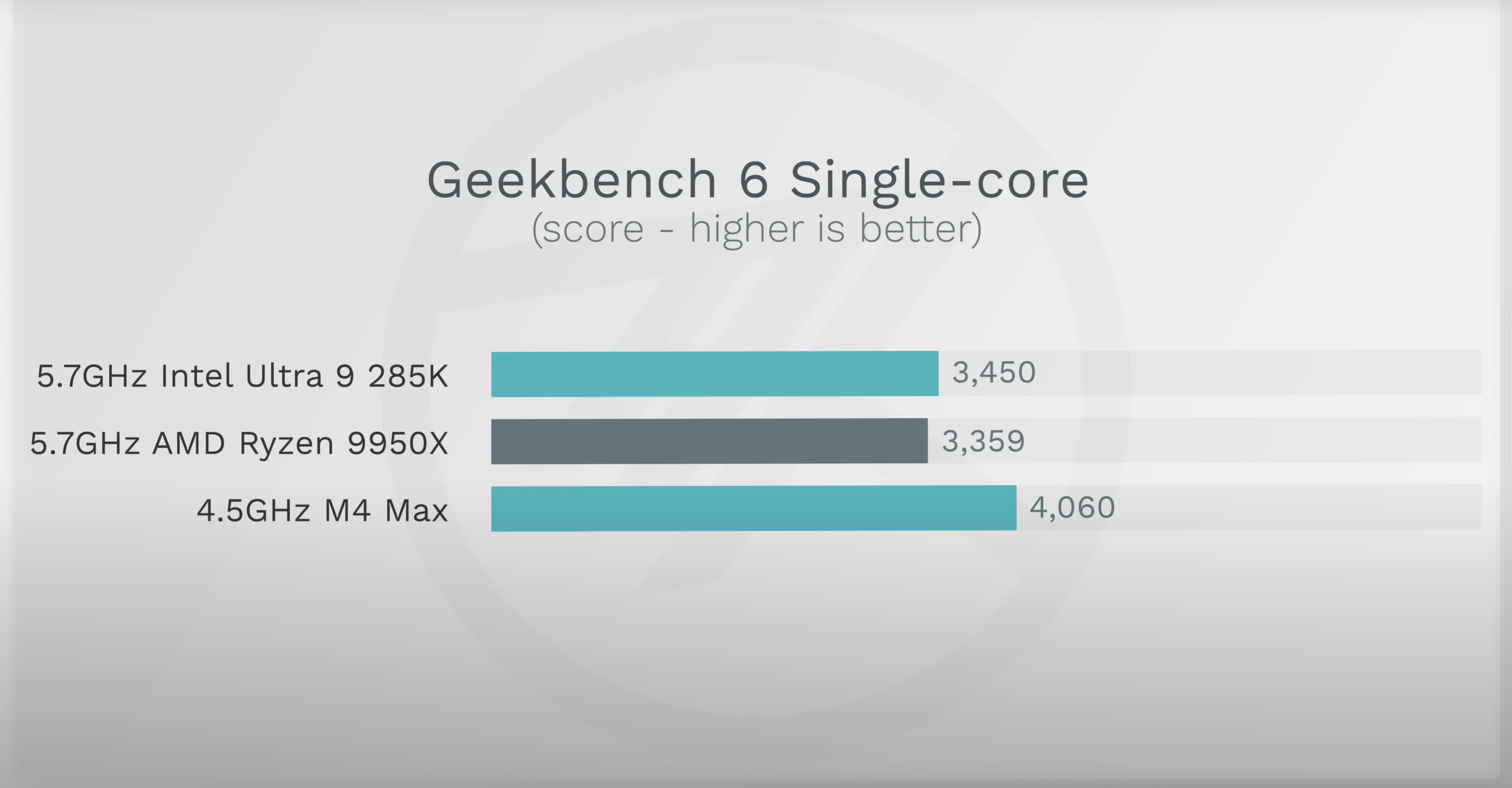
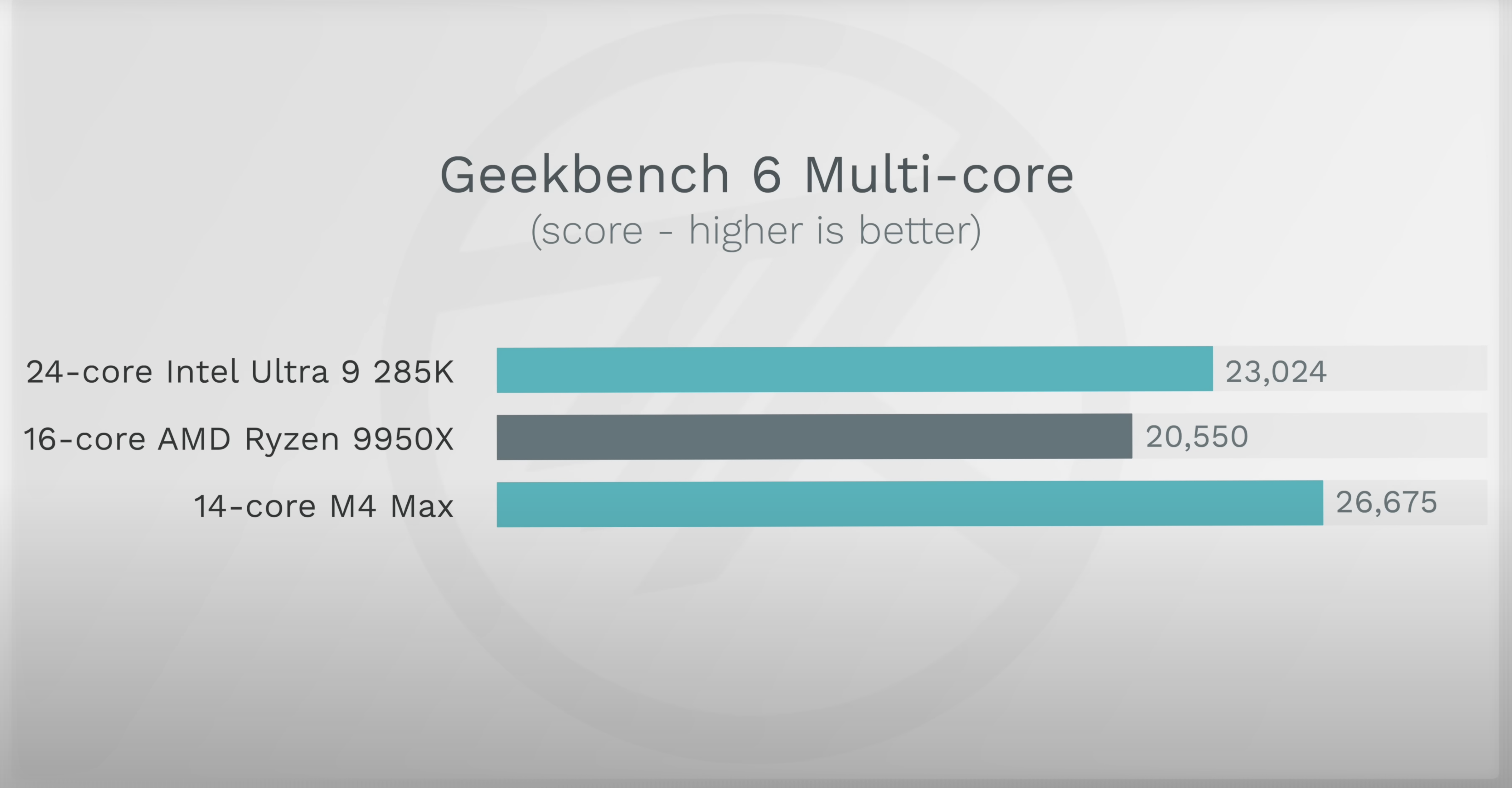
Apple Finally Did It, They Beat Intel – The M4 Max Is A Beast, What Will The M4 Ultra Be?

And is it soon time for the M4 Extreme? :O (:


~


Edit: Some prediction calculations 🙂

M2 Max Multi Score: 14678
M2 Ultra Multi Score: 21352 (~46% increase between max & ultra)
M4 Max Multi Score: 26675
M4 Ultra Multi Prediction: 38945 (using roughly the same 46% increase from M4 Max)
M4 Extreme Multi Prediction: 77891 (multiplying the M4 Ultra prediction by 2?)

Apple Did It Again – Thunderbolt 5 – Expect Newer/Better Displays Finally! (:

Apple just introduced Thunderbolt 5 which with its higher bandwidth will finally allow for the true and properly designed displays that I think Apple was waiting for. I predict possibly a 27/32/36 inch line up with 5/6/8K resolutions with 120Hz refresh rate. The only remaining question is, will it be Mini-LED for multiple dimming zones or possibly OLED?

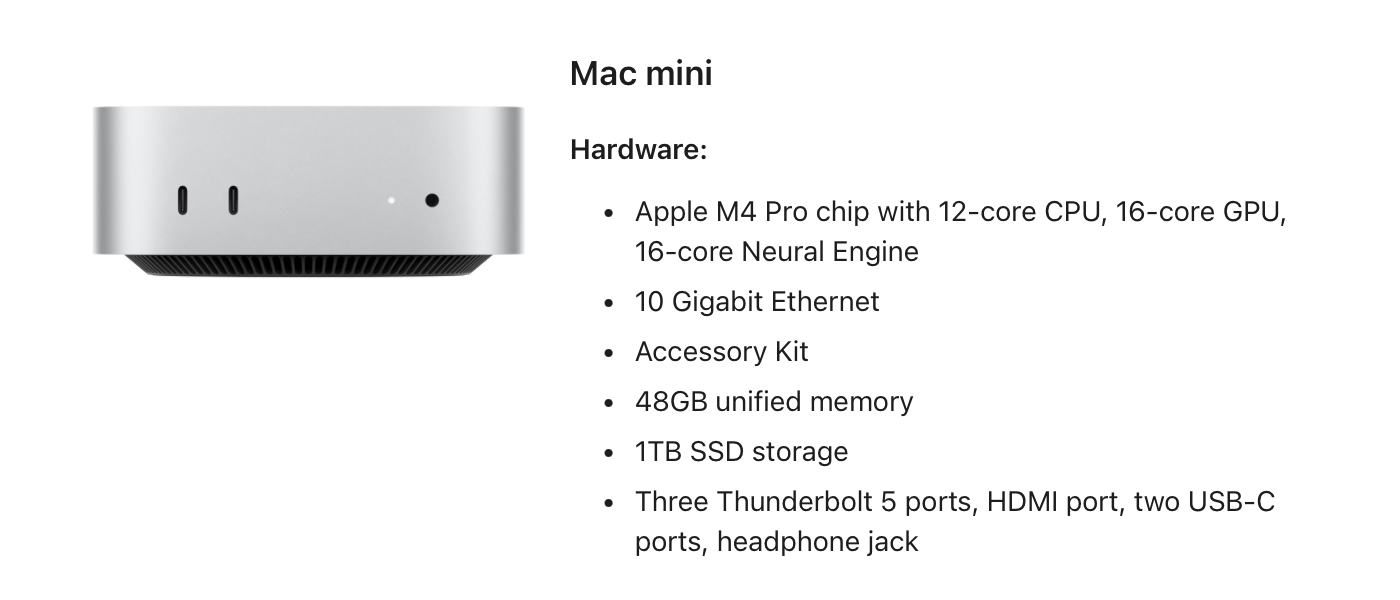
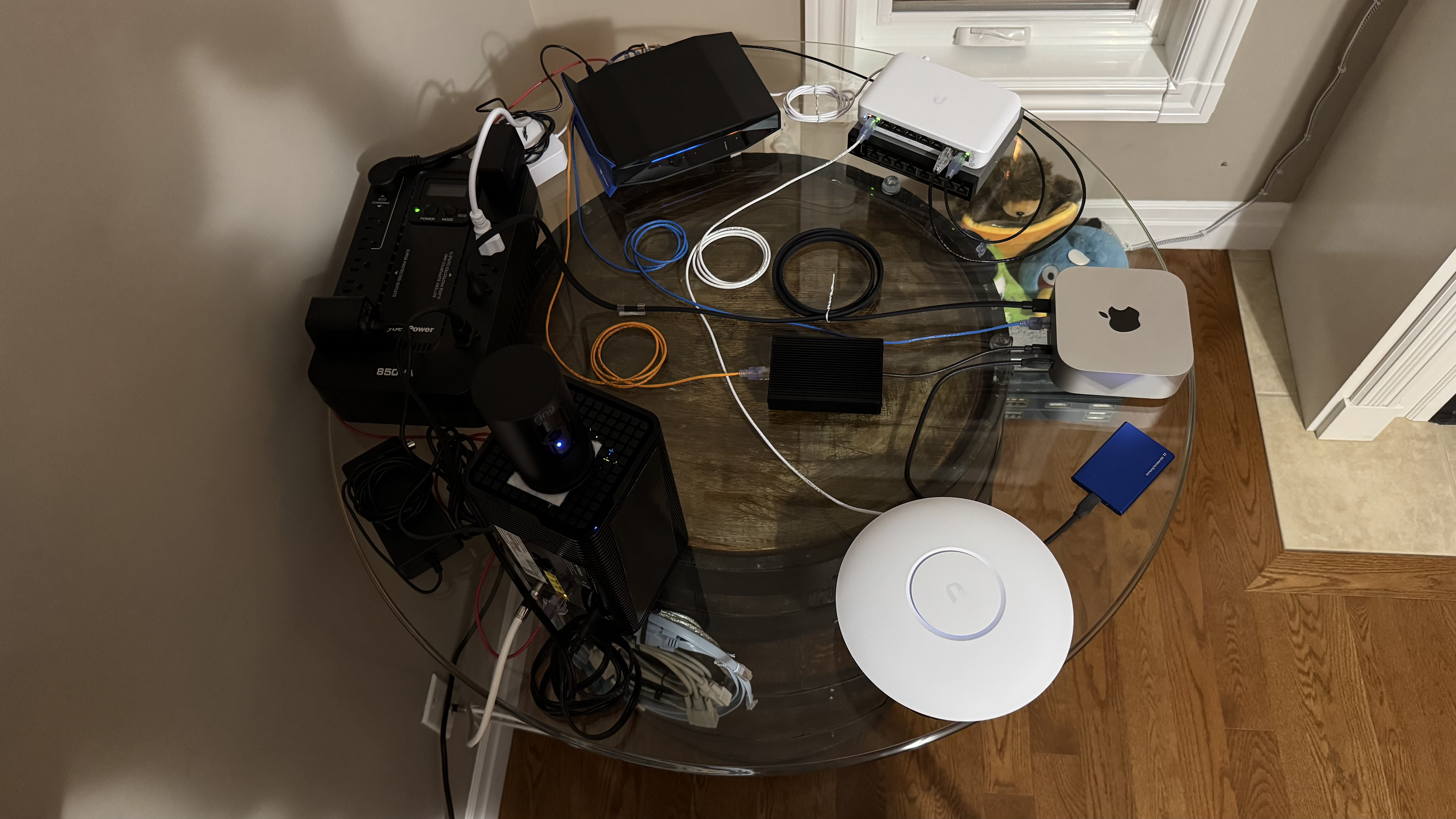
Things I use the Mac Mini for:

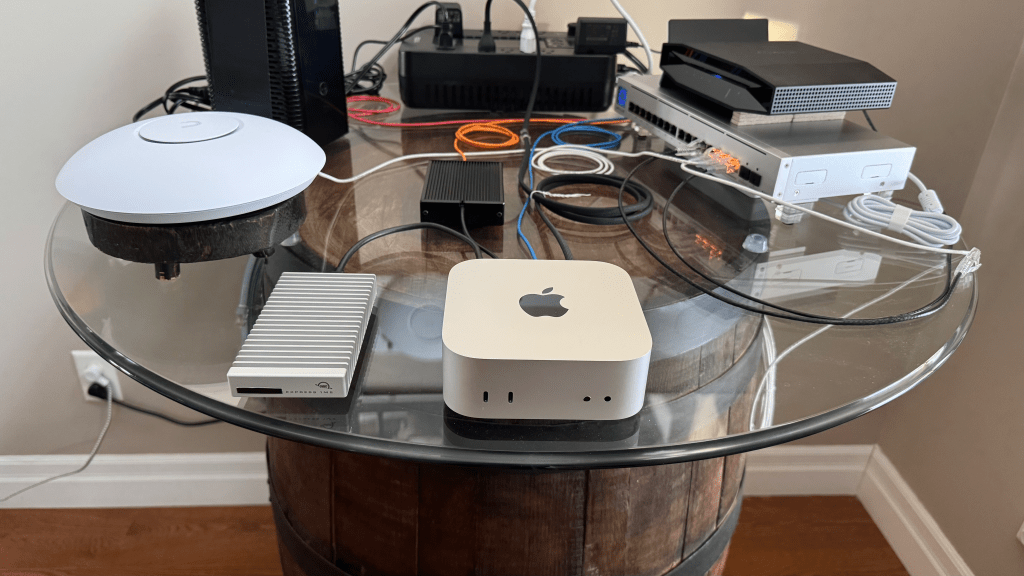
  • Network Backup / Storage
  • Local Web App Services (iPhone/iPad/Airpods)
  • Plex Media Server (AppleTV)
  • Linux Proxy Server VM (Parallels)

The iPhone Line Up Grid and Nice iOS Updates

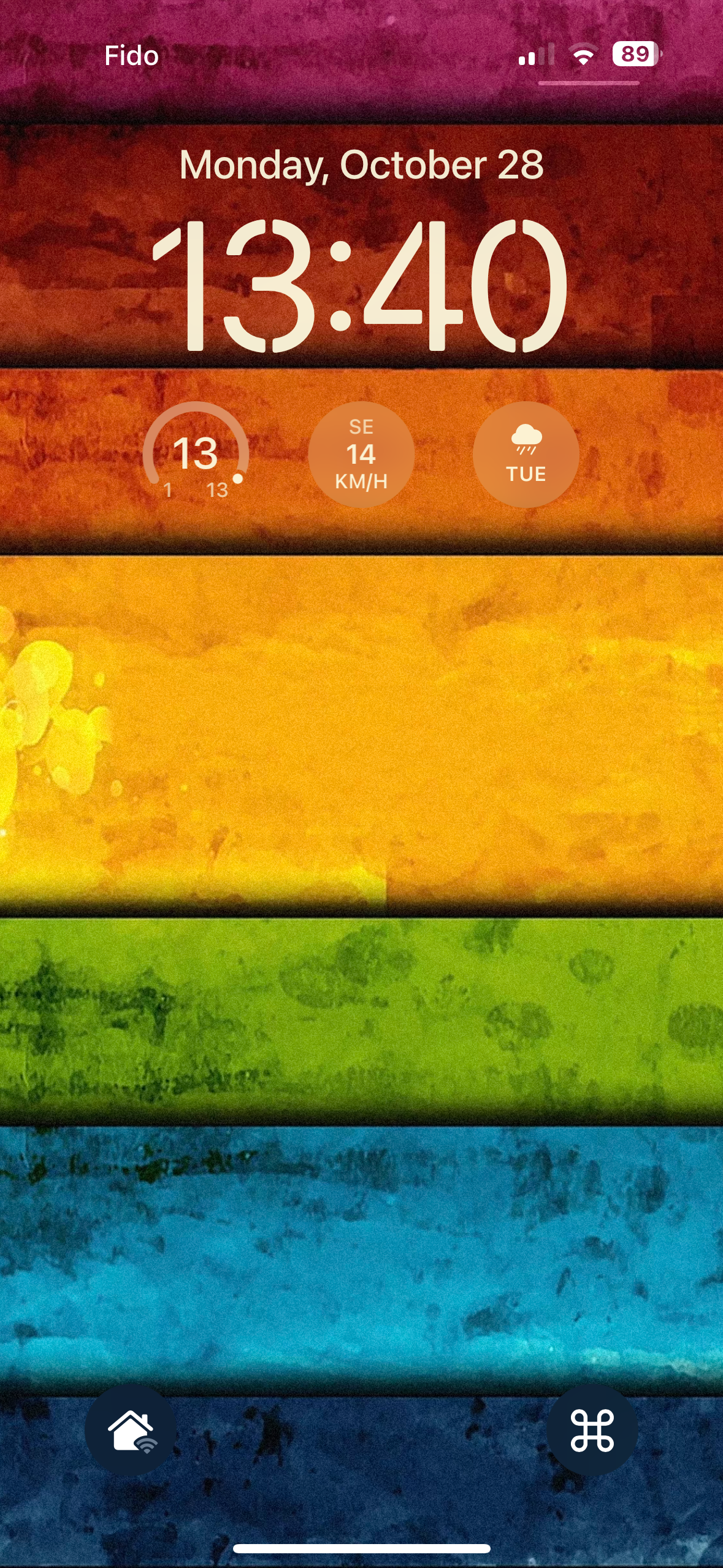
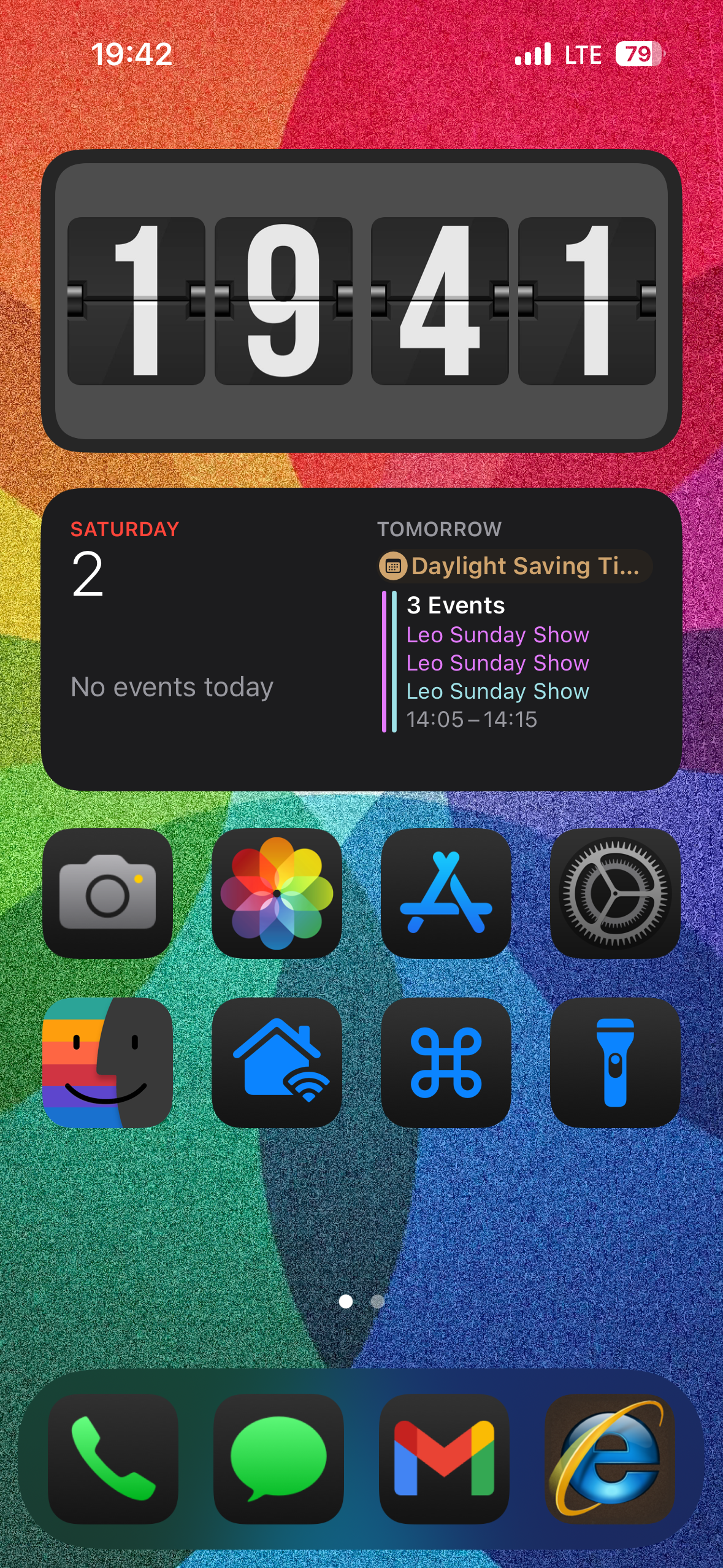
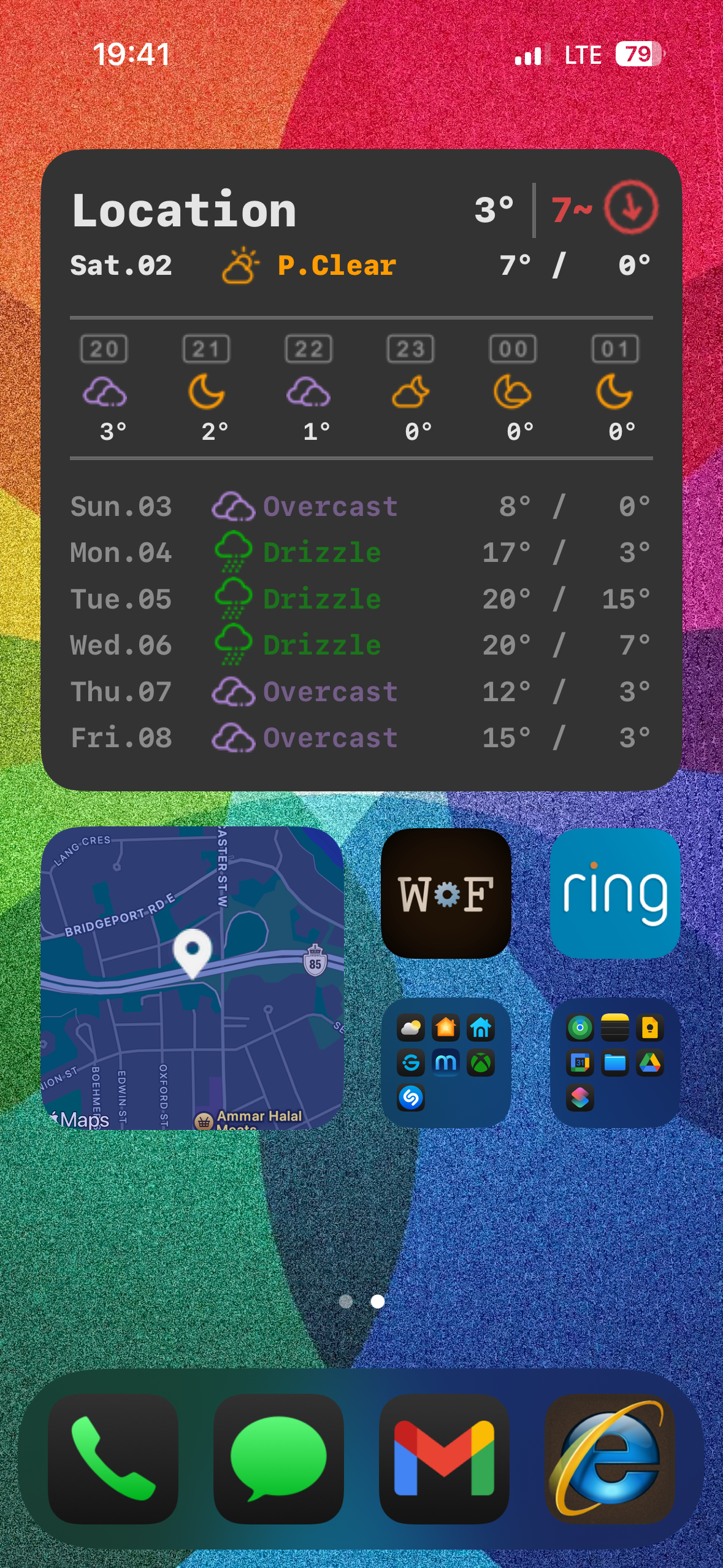
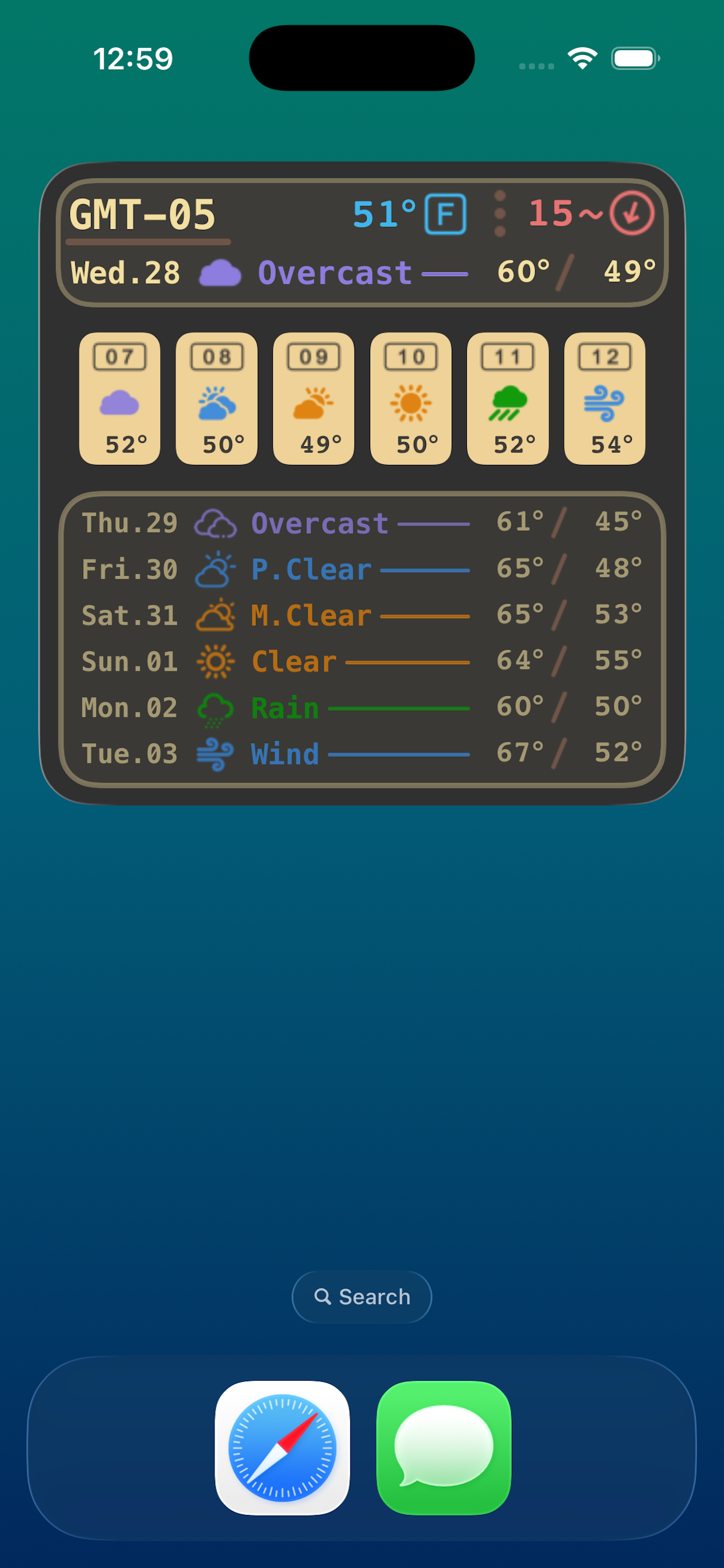
The latest version of iOS brought some nice updates to allow you to customize the look and feel even further than before. It has allowed me to set 2 shortcuts on the home screen (one for my switch bot app and one for my custom MacBook controller web app). I also like the larger dark mode icons without the text labels below them. Here are my current screenshots and setup:

~

When Steve Jobs came back to Apple, he drew a 2×2 grid to reorganize the Mac product line up and offerings. I believe the iPhone needs a similar grid in 2×3 form, for example:

iPhoneSmall
< 6.0”
Medium
> 6.0”
Large
< 7.0”

Consumer
5.5” OLED Screen
2 Cameras Embedded
120Hz Display
Med Size Storage
6.1” OLED Screen
2 Cameras Embedded
120Hz Display
Med Size Storage
6.7” OLED Screen
2 Cameras Embedded
120Hz Display
Med Size Storage

Prosumer
5.7” OLED Screen
3 Cameras Embedded
120Hz AOD
Large Size Storage
6.3” OLED Screen
3 Cameras Embedded
120Hz AOD
Large Size Storage
6.9” OLED Screen
3 Cameras Embedded
120Hz AOD
Large Size Storage

Starting a new app for iPhone that allows for some pre-styled/formatted widgets to be used!

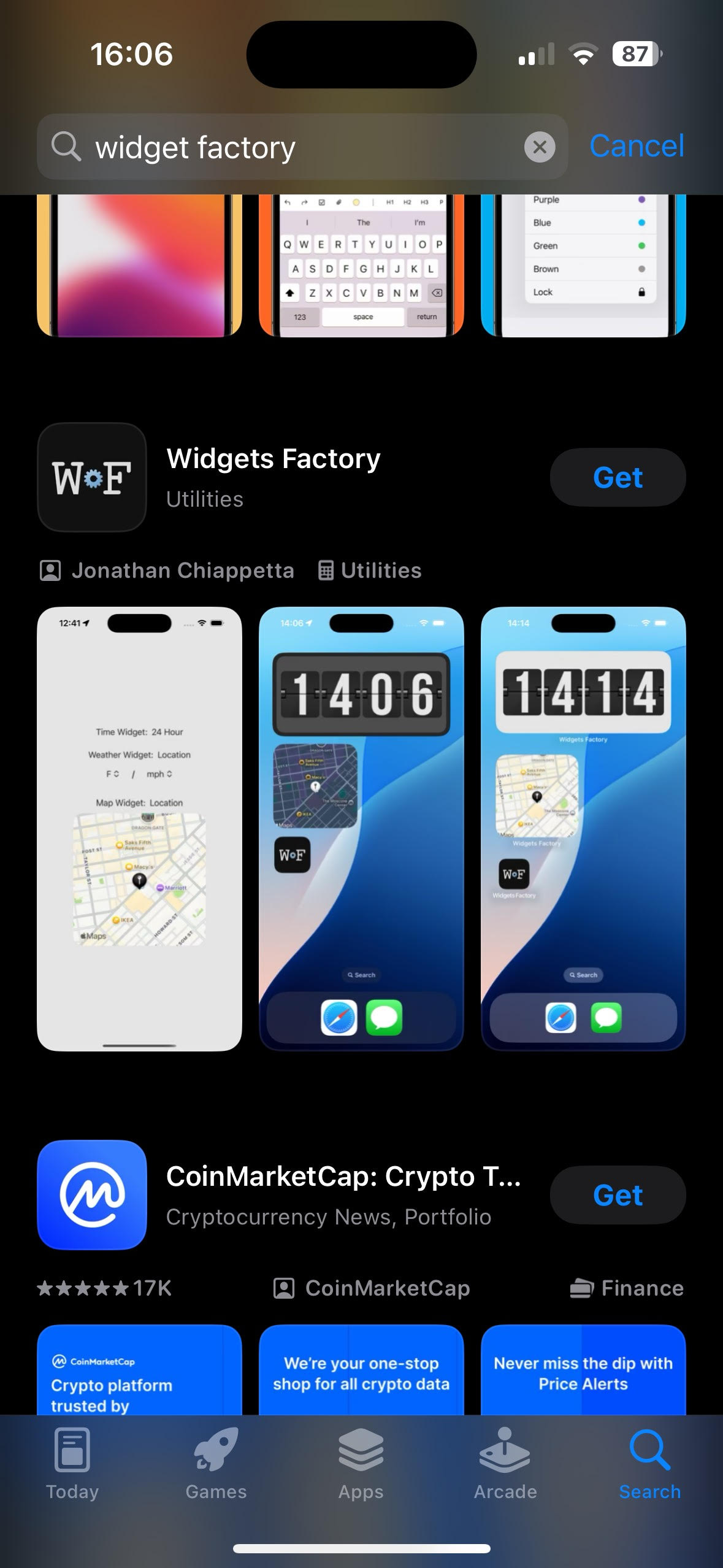
I am using this page as the officially documented support page for a new iOS app called “Widgets Factory”

It has been recently initially approved and released to the iOS App Store!

~

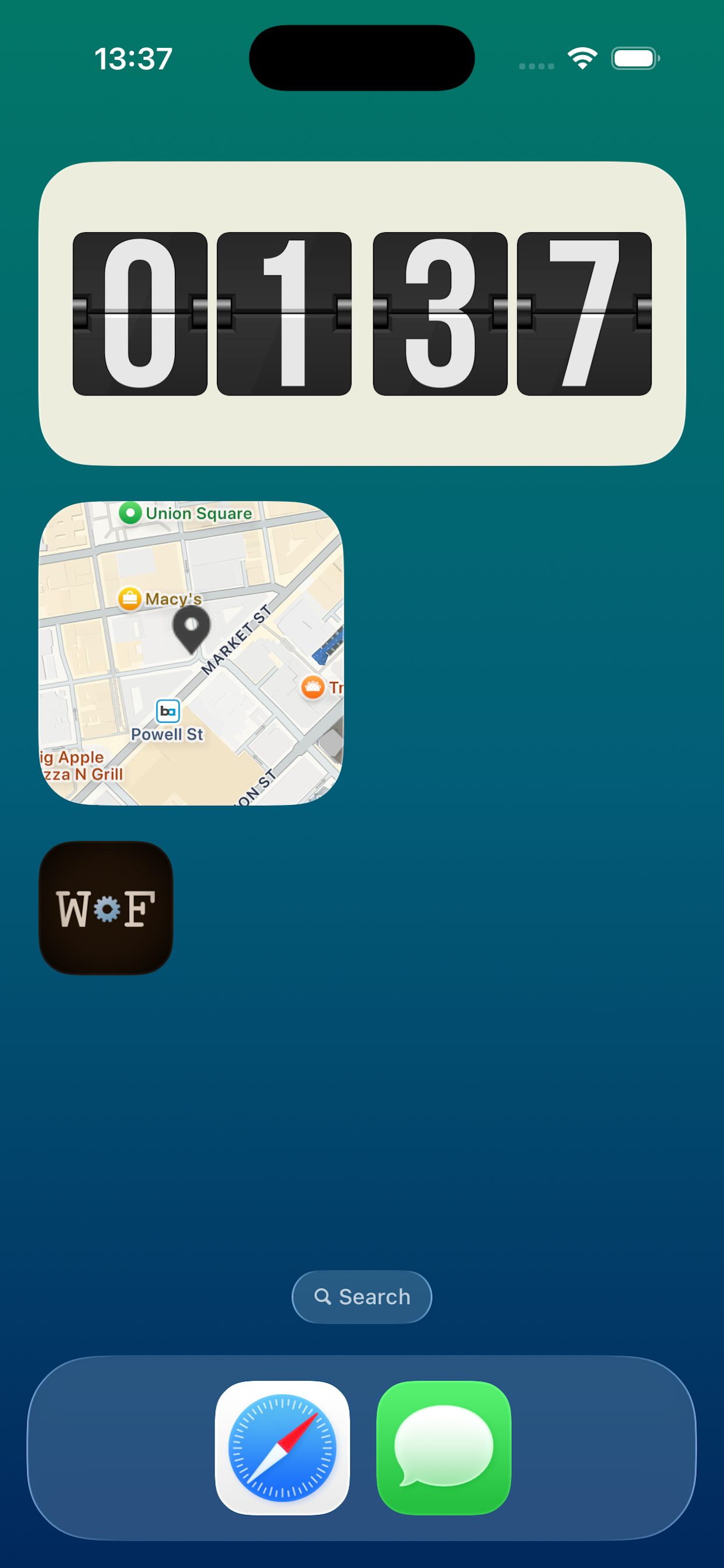
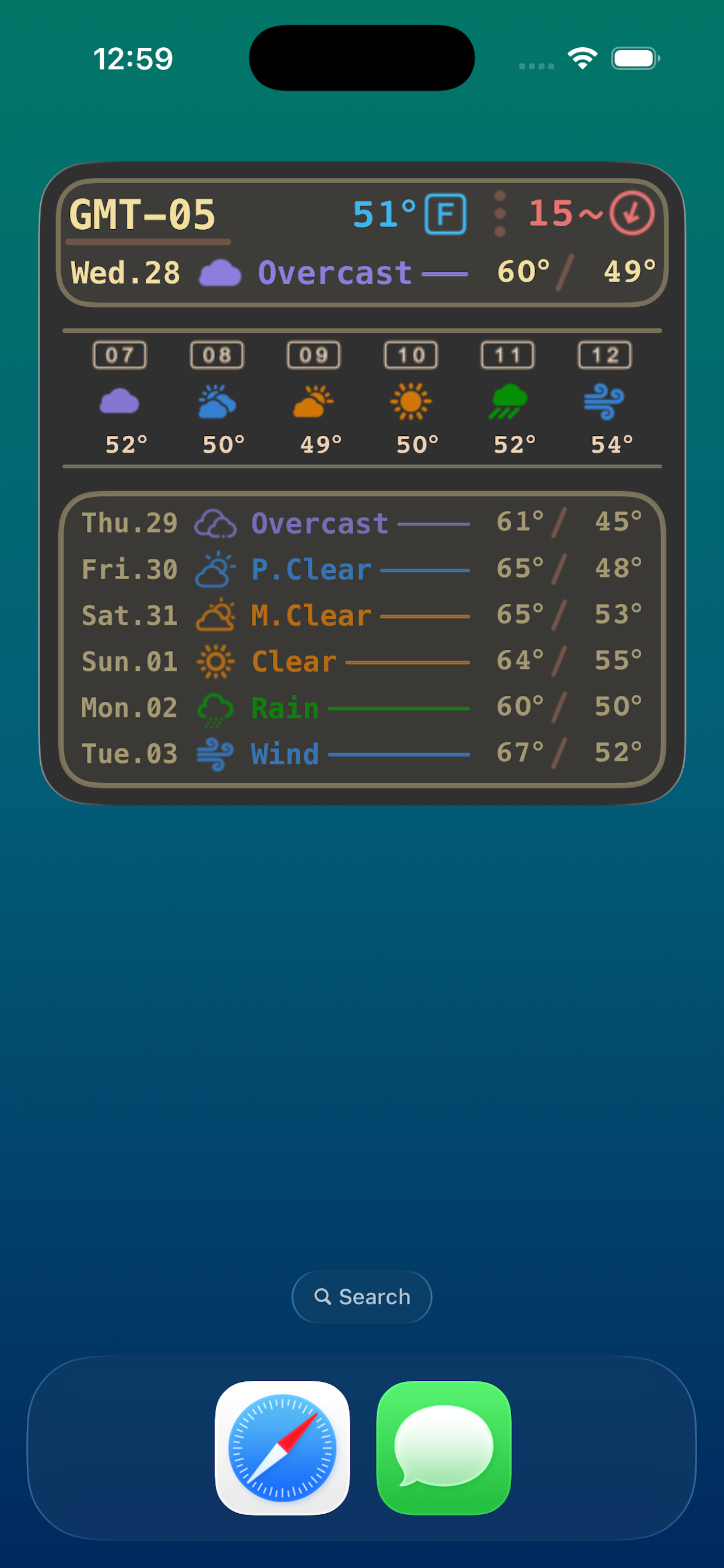
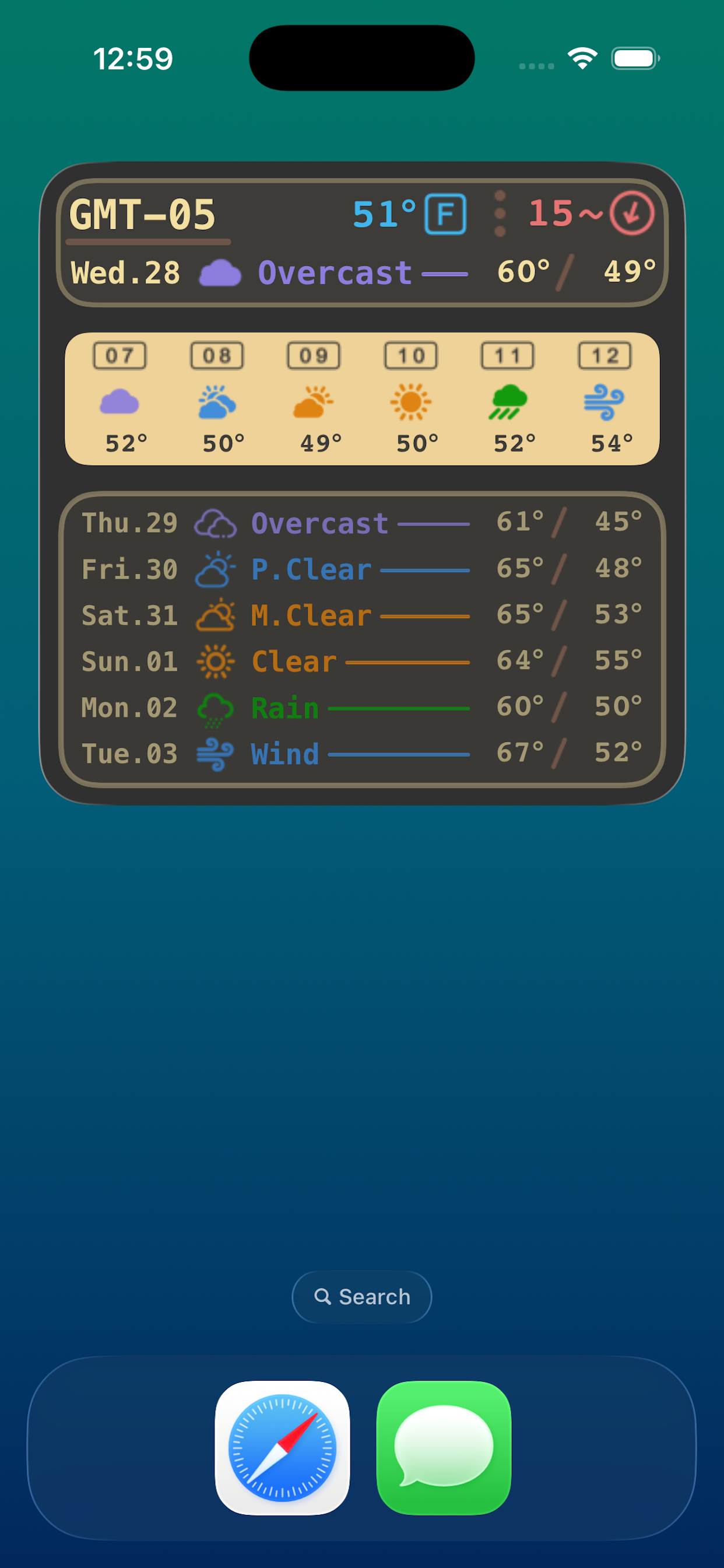
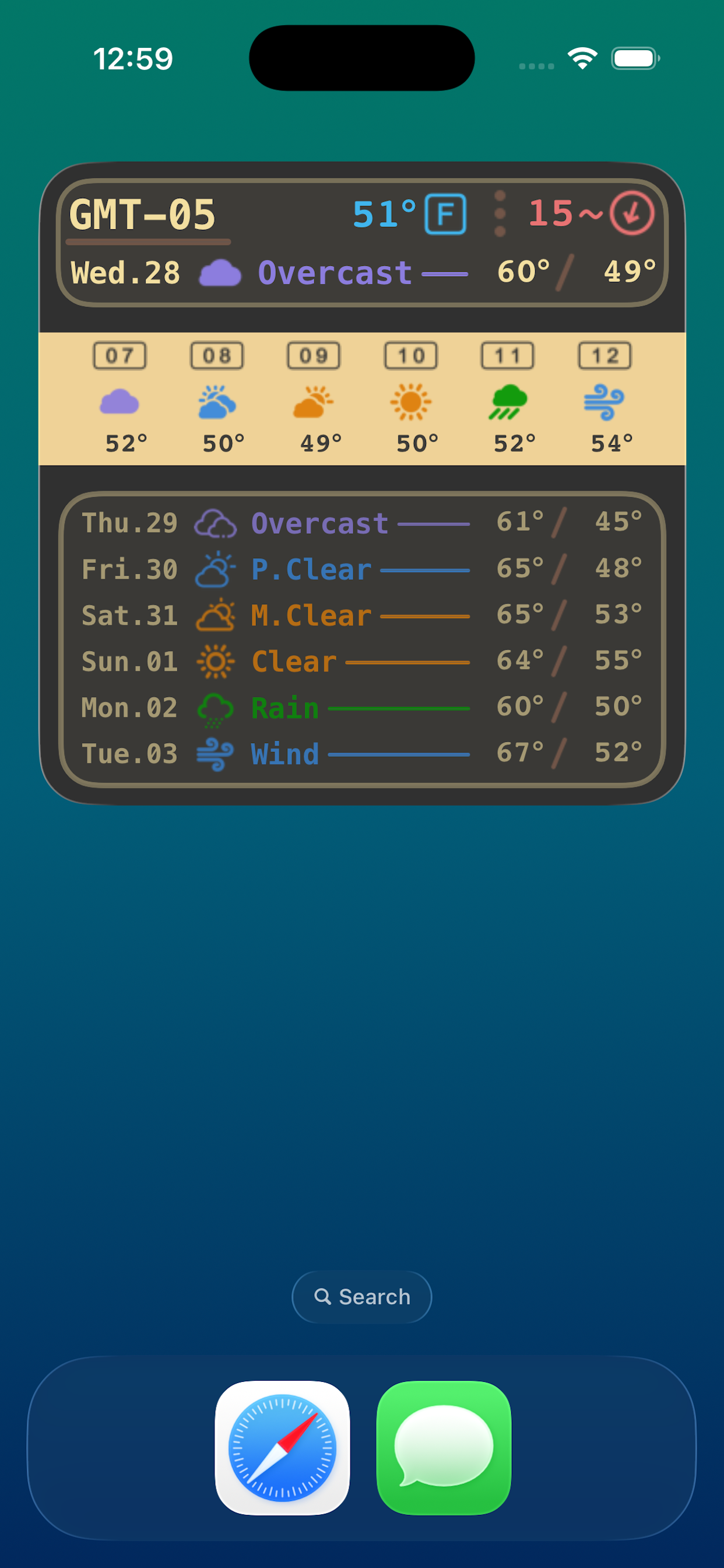
Here are some example screenshots:

~

Known Issues

The background task and refresh processing capabilities on iOS are severely limited and hampered due to some of the more hostile protection mechanisms built in. I will also say that these protection mechanisms do serve a good purpose as to try and protect the battery life and foreground processing requests to give the user a better mobile experience. It would still be nice if Apple could improve the background system to guarantee some additional service capabilities:

  • Don’t sleep or stop the apps non-main thread if it is registered and expecting a background refresh, instead provide a minimum/minimal percentage of dedicated processing time overall
  • Ensure that the requested caller gets a background refresh process time after waiting a maximum of 5-15 minutes
  • Provide a specific API method call that is background approved to perform the basic needed tasks on behalf of the calling application with a minimal guaranteed processing time:
    • Location Coordinates
    • Map Snapshots
    • Web Fetches
    • Widget Views
    • Push Notifications

Future Wishes

It would also be nice for apps that are free without ads to be able to have a one-time (or even re-occurring) tip jar that user’s could donate whatever amount they feel comfortable with to the developer.

Contact Information

  • root<ats>fossjon<dot>com
  • Or comment on this post!

~

Yet Another Attempt At Proxying My Entire Network (Poor Man VPN)

It’s been a busy year for me again, trying to focus on my self and my health. Mapping out dietary and seasonal allergies, still on the mission of No Dairy, Eggs, Caffeine, High-Fructose-Gluctose-Corn-Syrup, etc. I am able to breathe better and sleep better which is much needed as I get older.

Anyway, I was still running the experiment of tunneling my entire home traffic (network wide) and all connections through a VPN. I first ran into MTU packet size and fragmentation issues related to the fact that the clients on my network default to a 1500 MTU whereas the VPN tunnel interface drops that size by at least 40-60 bytes worth. This can result in packet fragmentation and performance issues which OpenVPN has support for but WireGuard does not.

I then switched to a proxy setup where I redirect and pipe all connection data at the protocol level to a server-side service which forwards it to the VPN endpoint and then out to the internet. This setup had much better performance but I then ran into some connection issues as the firewall states and the timeouts may not exactly be honoured correctly by the serving application.

I rewrote my Python made framework to start fresh again and go back to basics in a lower level language like C and this seems to be working better at the moment. I will continue to run this and test it out as the final replacement hopefully. The list of features this includes is:

  • Transparent Dynamic Forwarding Proxy Service (load balancing capable with ip/nftables)
  • Frontend UDP Network Connection ILB Mapping (from individual packets to stateful stream)
  • Data Fragmentation + TCP Message Ordering & Delivery
  • Simple ciphering and better performance
  • C-language Multi-threaded

https://github.com/stoops/vpn/

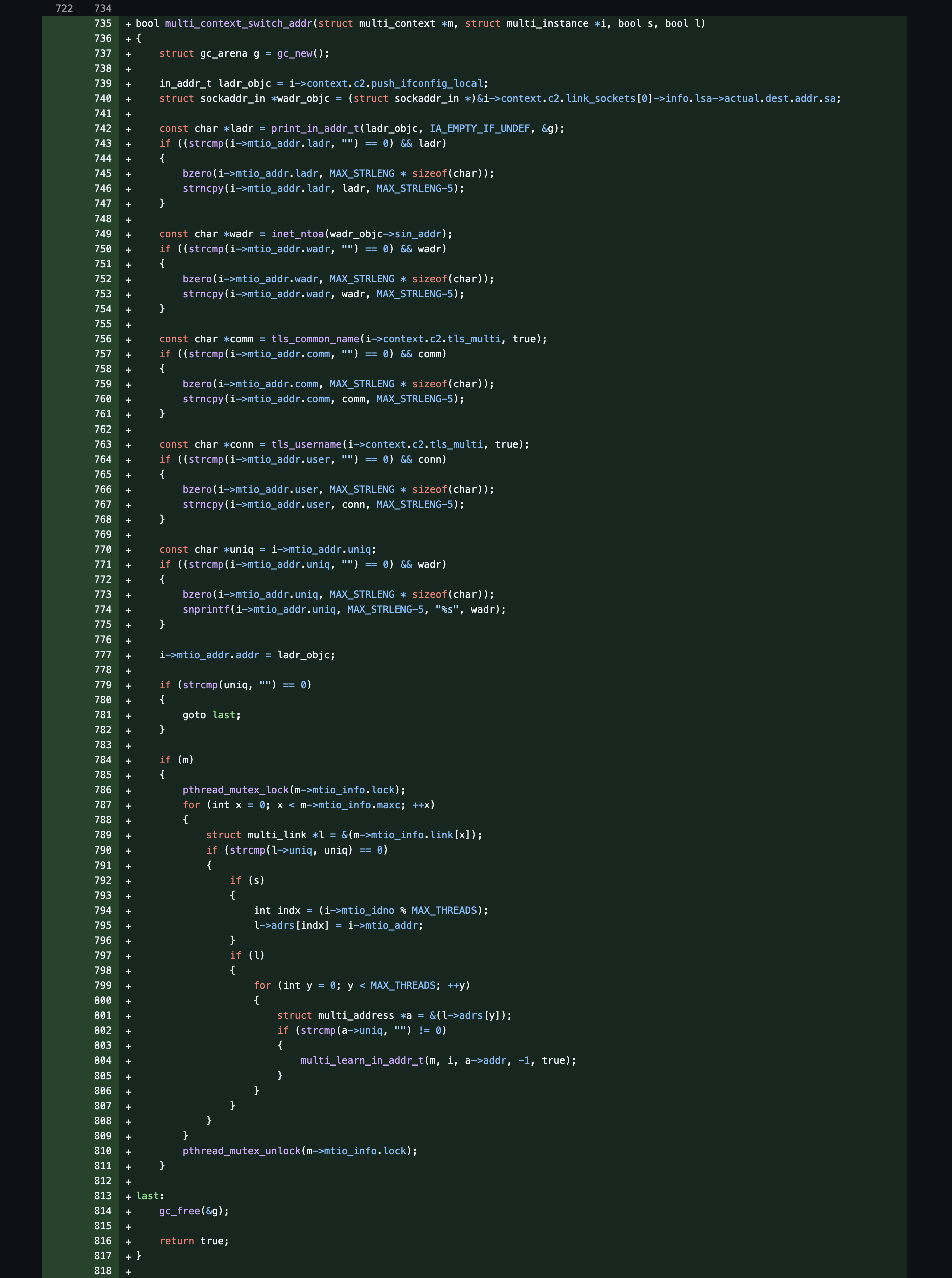
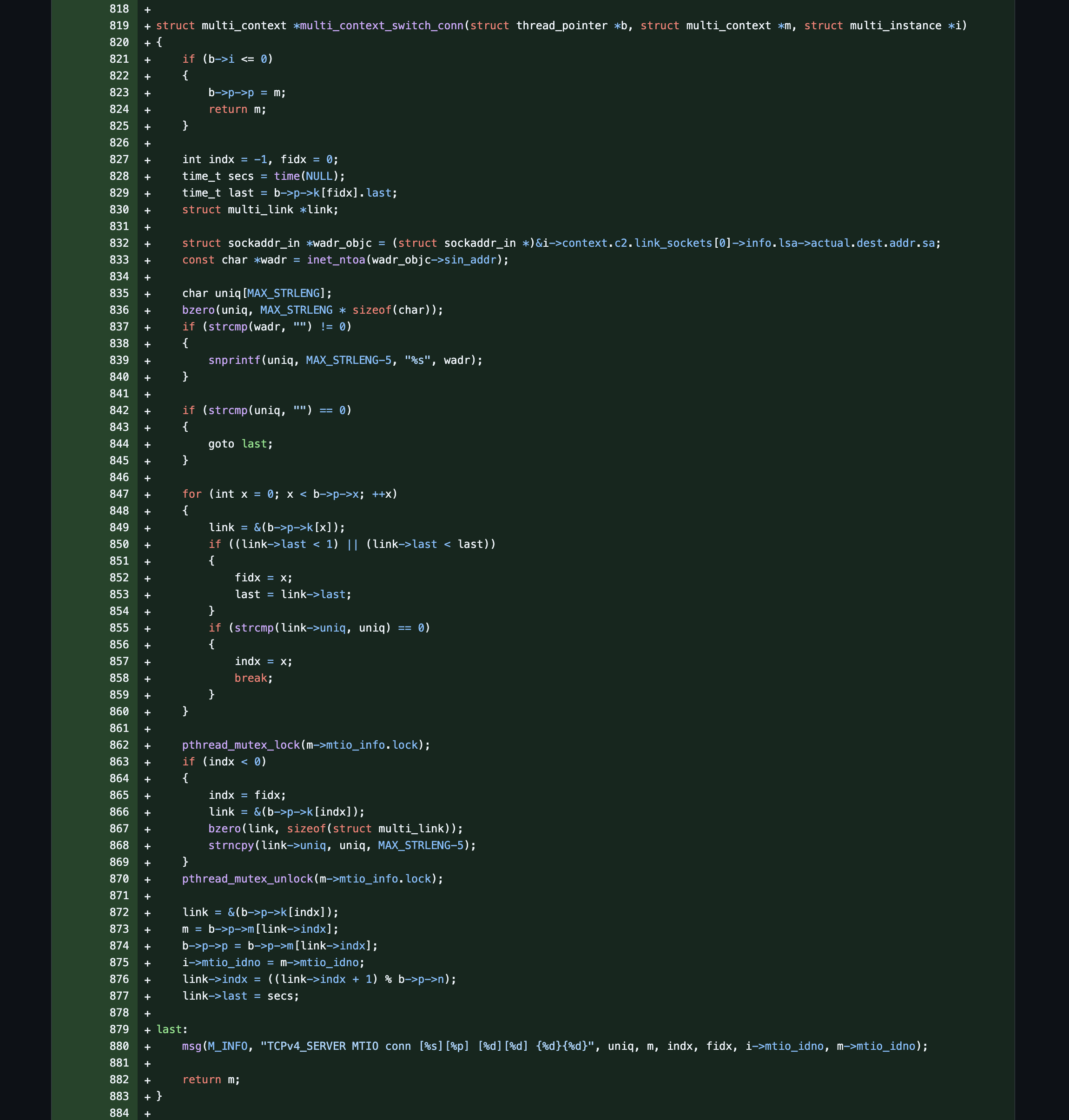
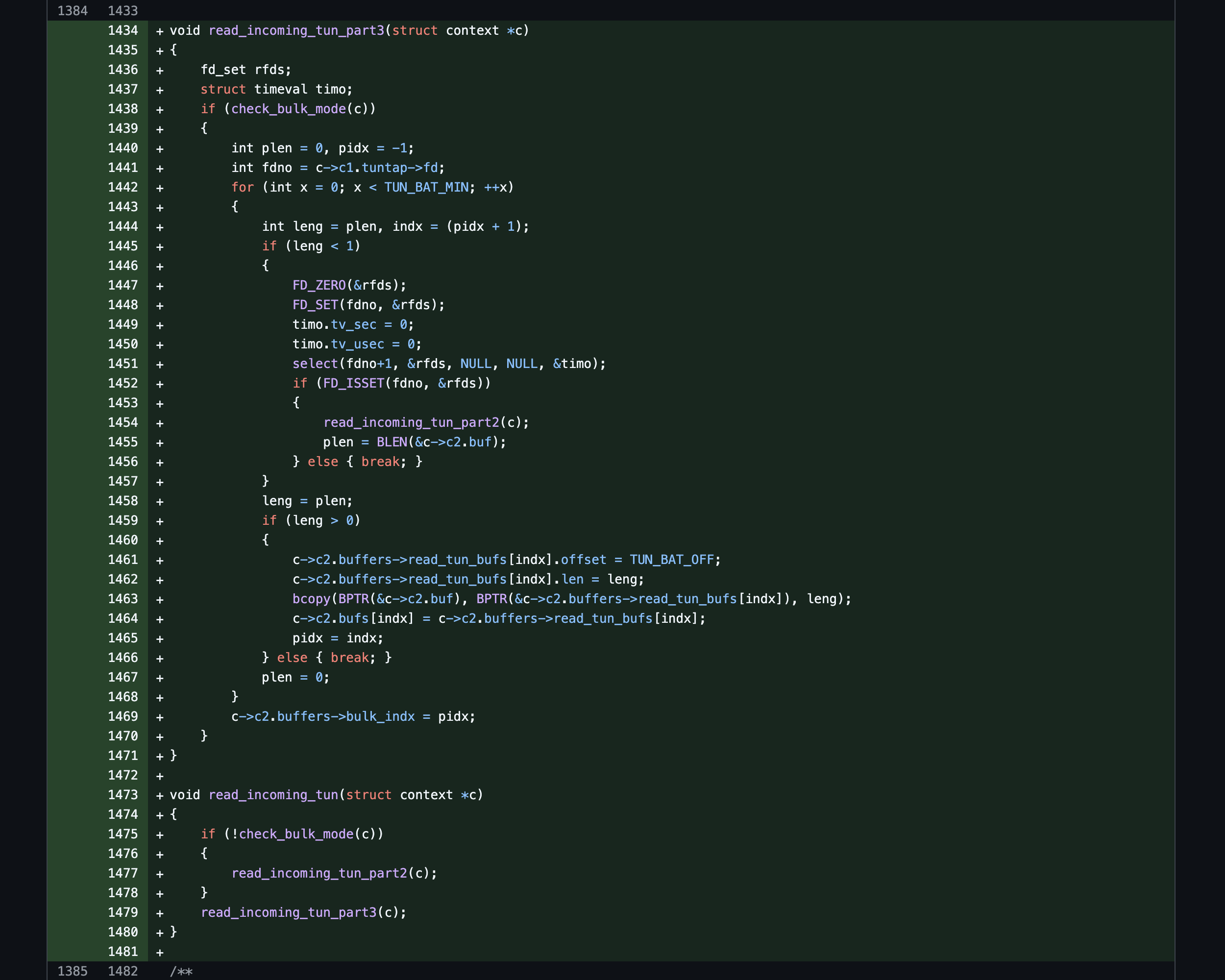
This is the magic part of the code which sits in front of the proxy service and shares the UDP connection states and pre-routes them to the already established VPN tunnel related for that specific load balanced connection.

The Mode 65R2 MK + Mods == The Holy Grail For Me?

So as I’ve gotten deeper and deeper into the keebort hobby, I’ve been able to build and modify and tune a few different designs and layouts (except for the Kohaku which has the nice gasket-cushioned leaf-spring two-piece mounting system but I cannot afford that GB). My favorite layout seems to be the 65 as it offers the dedicated arrow keys and basic navigation keys which I need for light coding tasks (second fav is the compact 75 layout like the Mode Sonnet offers).

I recently bought into the new Mode 65R2 pre-order (like I did with the Envoy) due to its two-piece mounting system and overall design which should allow for more options in modifying and tuning the keyboard after build. I selected the aluminum case and plate, brass weight, wood accent and the foam kit. I built the board with Boba U4Ts and used the plate foam only with the top mount configuration.

I then performed some modifications to try and lower the tone and clack of the board. I swapped out the top mount blocks and modified the full lattice blocks by cutting the tops off of them and poking holes through them so that they could be used in a top mount configuration and cushion the longer M2x8 replacement screws (force break top mount). I then taped up the bottom case to reduce the harsh metallic sounds and soften and lower the tones as well (force break bottom case).

~

~

Result: It’s like a Clunky and Thunky type of deeper lower end Clack and Chalk kind of sound profile. After similar mods were done to my OG Mode Sonnet, it sounds very similar, in addition to my old original Drop Alt but in a better and more elegant case and frame. It reminds me of an old school analogue mechanical typewriter sort of sound and it made me realize that that type of sound is what I prefer as it reminds me of something real from back in the day (nostalgia?) versus aiming for thock which doesn’t really remind me of anything other than a more artificial type of muted and foamed up sound profile (although still pleasant to my ear). This is def my fav keeb so far! 🙂

Thank you Python for years of service and reliability so far (and the ctypes module!)

So I’ve run into this issue in the past but I finally started looking into why Python is soo slow at running basic math operations in a long loop, for example, simple stream cipher operations. You’ll see lots of suggestions to use numpy instead, however, I didn’t find this to be the most helpful. Since I like writing/reading C, I remembered that Python has a built-in ctypes module which is very helpful and useful if you are in need of specialized and optimized code paths. You can pretty easily pass in integer and byte array pointers with little complexity!

For example:

~

New Samsung S90C OLED – Green Screen Of Death

So last year, for my birthday, I purchased a new Sony PS5 to update my gaming console after soo many years and it immediately failed on me by always shutting down during game play. This year, for my birthday, I decided to try and update my 8 year old TV with a new Samsung OLED for the first time and as my luck would have it, I was presented with the “Green Screen Of Death”. The TV only just arrived a few days ago and is now dead so I have to go through the process of trying to contact a certified Samsung repair person to see if it can even be fixed. I can’t tell if its just my bad luck going on lately or if quality control at these companies has gone down hill but it’s starting to get harder and harder to find good quality alternatives! 😦